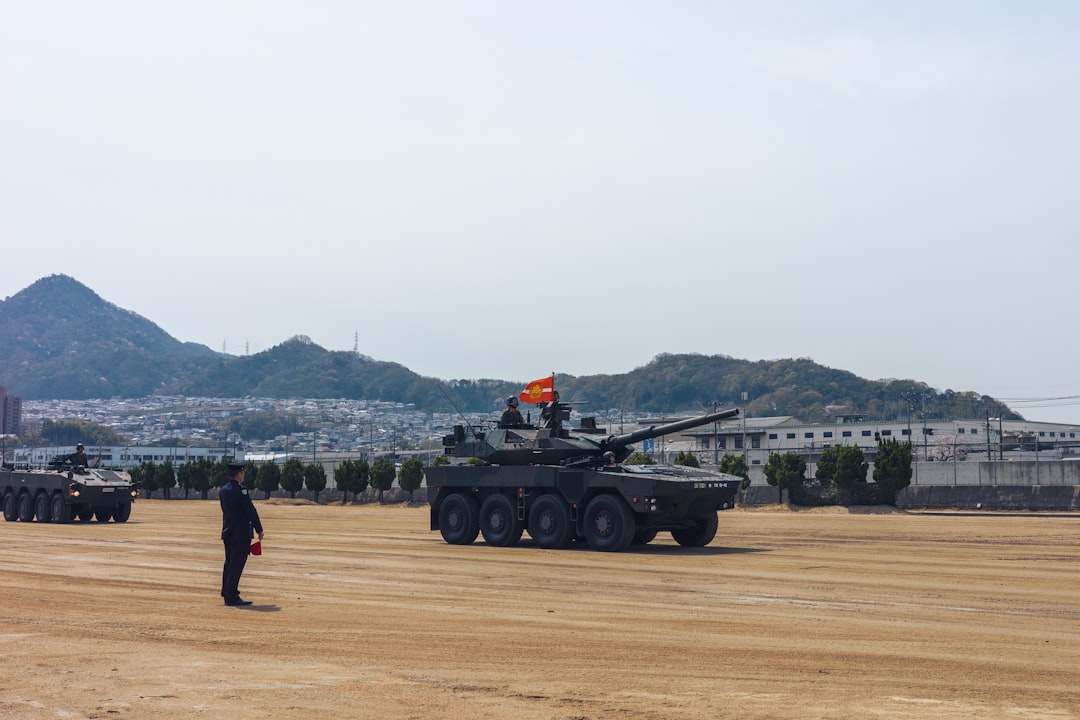
Japan cannot detect an incoming AI-enhanced air strike fast enough to stop it — and its own defense planners know it.
A think tank analysis published in June 2026 found that Japan’s Self-Defense Forces lack the long-range counterair capability needed to detect, track, and engage Chinese aircraft before they can launch attacks. The report, covered by The Japan Times, concludes that current defense doctrine is structurally misaligned with the speed at which AI-integrated adversarial systems now operate.
For democracies worldwide wrestling with how to integrate AI into national security, Japan’s predicament is a cautionary case study: cautious governance instincts, left unrevised, can themselves become a strategic liability.
Key Takeaways
- Japan’s air defense doctrine has no framework for AI-accelerated combat timelines, leaving a critical detection gap.
- Current procurement and regulatory rules were not designed for autonomous or semi-autonomous weapons systems.
- Coordination with the US and Australia demands shared AI defense standards Japan has yet to codify.
- Tokyo must balance faster AI adoption with meaningful safety oversight — a tension no allied democracy has fully resolved.
Japan’s AI Defense Gap Exposed
The think tank finding is stark: Japan has no credible long-range counterair ability to intercept Chinese bombers before they reach launch range. That gap exists not only because of hardware shortfalls but because Japan’s entire decision-making architecture — how threats are assessed, escalated, and actioned — was designed for an era when humans had minutes, not seconds, to respond.
AI-enhanced adversarial systems compress that window dramatically. Modern AI-assisted targeting and flight-path optimization allow aircraft to vary approach vectors in real time, defeating prediction models that rely on historical flight data. Japan’s current sensors and command protocols were not built to counter that kind of adaptive behavior.
Critically, Japan has no regulatory doctrine governing autonomous or semi-autonomous responses in contested airspace. Every intercept decision must pass through human authorization chains. In a high-tempo AI-driven engagement, that process may simply take too long — a vulnerability any adversary can exploit.
Policy Implications for Japan’s Military AI Strategy

Japan’s defense procurement system operates on multi-year review cycles that pre-date the AI era. Approving a new sensor suite or command-and-control software update can take longer than the technology itself remains state-of-the-art. The think tank warns this creates a structural lag: by the time Japan fields a new capability, the threat it was designed to counter has already evolved.
The problem is compounded by the absence of any legal framework governing autonomous weapons. Japan has not ratified, nor internally enacted, guidelines specifying under what conditions an AI system may recommend — let alone execute — a lethal action without a human in the loop. Allied nations including the United States and Australia have moved further, albeit imperfectly, toward codifying human-machine teaming doctrines. Joint operations with those partners increasingly assume shared AI standards that Japan cannot yet meet.
How Japan’s Defense Approval Bottleneck Works
-
1
Threat Detected
Sensor or intelligence asset identifies a potential incursion.
-
2
Human Assessment
Ground controller classifies and verifies the threat manually.
-
3
Chain-of-Command Escalation
Authorization travels up command hierarchy before an intercept order is issued.
-
4
Response Ordered
By this point, an AI-enhanced adversary aircraft may already be within launch range.
Broader Geopolitical Context

China’s People’s Liberation Army Air Force has been integrating AI into mission planning, electronic warfare, and drone swarm coordination for several years. Its pace of deployment consistently outstrips the timelines of Japan’s regulatory approval processes — meaning the gap is not static; it widens with each passing procurement cycle.
Japan’s constitutional and political tradition inclines it toward extreme caution on lethal autonomous systems — a principled stance that commands respect internationally. But operational reality is creating pressure. Self-Defense Force commanders are being asked to defend airspace against threats that move faster than their rules of engagement were written to handle.
The regional dynamic matters beyond Japan. South Korea faces analogous pressures from North Korea’s AI-assisted missile guidance programs. Taiwan watches Beijing’s drone and bomber modernization with acute concern. How Japan resolves this tension — whether it finds a governance model that is both fast enough and accountable enough — will set a template that other democracies in the region will study closely.
What Japan Must Do Next
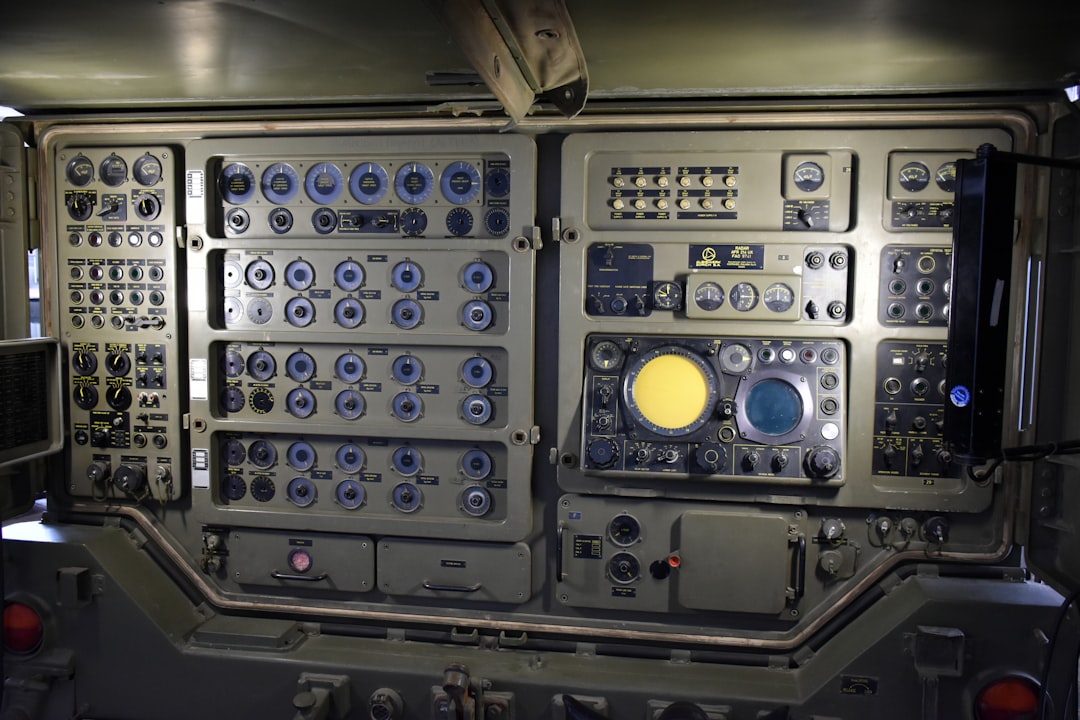
Defense analysts converge on three near-term imperatives. First, Japan needs an expedited AI defense technology review process — a fast-track lane within procurement that allows AI-enabled systems to be evaluated and fielded within 18-24 months rather than the current multi-year cycle, without abandoning safety testing.
Second, Tokyo must draft a clear policy on autonomous decision-making in air defense. That does not mean removing humans from the loop entirely; it means specifying precisely where, and under what threat conditions, machine-speed decision support is authorized. Allied frameworks from the US Department of Defense’s Directive 3000.09 on autonomous weapons offer a starting point, though Japan will need to adapt them to its own constitutional constraints.
Third, Japan should push for multilateral AI defense standards within the Quad framework — linking Japan, the United States, Australia, and India in interoperable AI governance for air and maritime defense. Without common standards, joint operations in a contested Indo-Pacific become operationally brittle at exactly the moments they matter most.
Note: Specific numerical data on Japan’s detection response times and the precise share of human-authorized air defense decisions were not publicly disclosed in available sources. The assessments above reflect think tank qualitative classifications and defense briefing language rather than declassified technical metrics.
Key Takeaways
- Structural gap: Japan’s air defense decision architecture was not designed for AI-accelerated engagement timelines, creating a vulnerability that adversaries can exploit.
- Regulatory vacuum: No Japanese law or doctrine currently governs autonomous or semi-autonomous weapons responses, leaving commanders without clear guidance.
- Allied misalignment: Japan’s US and Australian partners are developing shared AI defense standards that Tokyo cannot yet meet, risking joint-operation friction.
- Reform path: Expedited procurement reviews, a human-machine teaming doctrine, and Quad-level AI defense standards are the three near-term fixes analysts recommend.
Want to go deeper?
Subscribe to Asia AI Front for concise analysis of AI shifts across Asia and Russia, including our weekly defense technology briefing.
Sources & References
- Chinese bombers put Japan’s defense strategy in jeopardy, report finds (The Japan Times, 2026)
- DoD Directive 3000.09: Autonomy in Weapon Systems (U.S. Department of Defense, 2023)
- Autonomous Weapons Research (RAND Corporation)