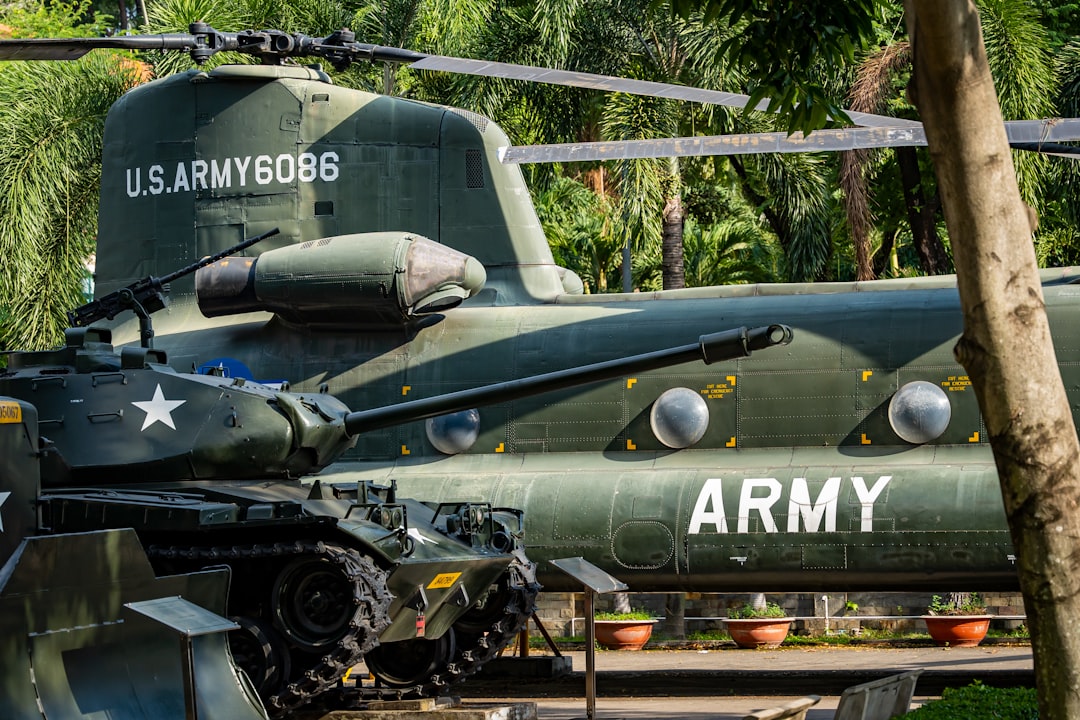
A formal directive from Vietnam’s top Party and State leadership has reframed the country’s armed forces as an institution that must be rebuilt on science and technology foundations.
The Central Military Commission (CMC) and the Ministry of National Defence have been explicitly tasked with embedding innovation—including AI and digital systems—into military strategy, following guidance issued after the CMC’s H1 2025 review of defence priorities.
For global analysts, this is more than an internal reform memo: it signals that a non-aligned, strategically pivotal Southeast Asian nation is deliberately pursuing technology-based military self-reliance, independent of Western defence ecosystems.
Key Takeaways
- Vietnam’s top Party leader has formally directed the military to modernise through science, technology, and AI integration.
- The Central Military Commission maintained strategic initiative in the first half of 2025 and is coordinating institutional reform with the Ministry of National Defence.
- Prime Minister Le Minh Hung frames science, technology, and innovation as the “golden key” to double-digit economic growth—a framing now extended to defence.
- Vietnam faces structural constraints including limited domestic semiconductor capacity and AI talent competition from the private sector.
Vietnam’s Defence Modernisation Directive: A Tech-First Strategy
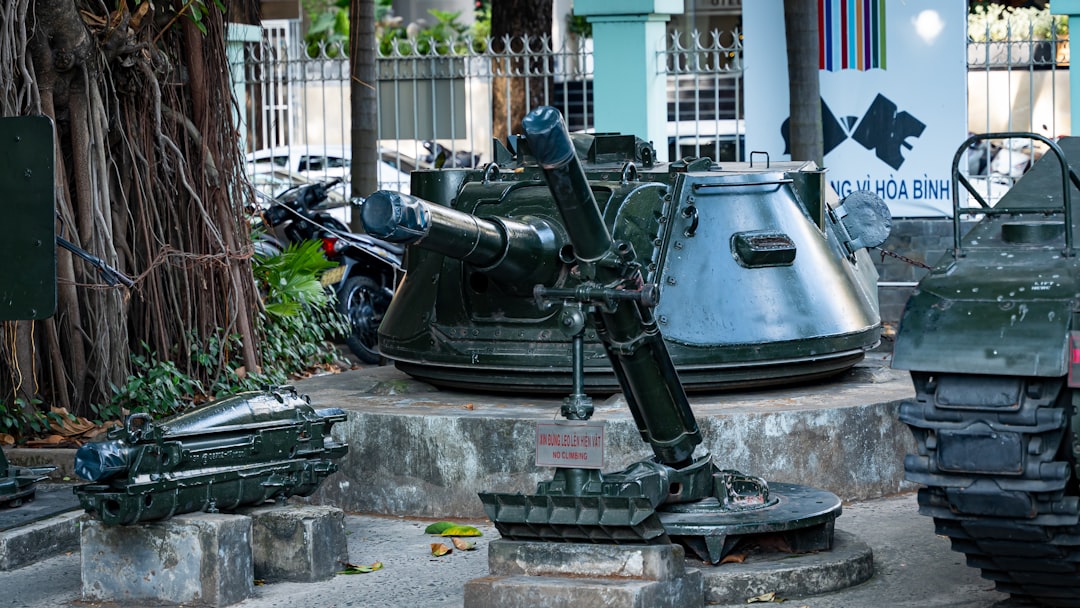
The directive is unambiguous in intent: Vietnam’s armed forces must transition from legacy platforms toward digital, autonomous, and AI-enabled systems. The top Party and State leader’s call, reported by state outlet VietnamPlus, marks the first time such explicit science-and-technology language has been used to frame the military’s overarching reform mandate at the highest level of Party authority.
This positions Vietnam alongside regional peers—Thailand, Indonesia, and Singapore—that have accelerated AI-driven defence investments over the past three years. Unlike those nations, however, Vietnam’s directive is notable for its emphasis on domestic capability-building rather than procurement from established Western or Chinese defence contractors. The policy intent is indigenous capacity, not off-the-shelf acquisition.
It is important to note that the directive reflects strategic intent, not demonstrated deployment. No specific AI systems have been publicly confirmed as operational within the Vietnamese military at this stage. The gap between policy direction and fielded capability remains significant—and bridging it will define the programme’s credibility in the years ahead.
The Central Military Commission’s Strategic Role

The CMC’s H1 2025 performance review, cited in official state media, confirmed that the body “provided sound strategic advice on military and defence matters” and “maintained strategic initiative while preventing passive or unexpected defence situations.” That language—carefully calibrated in Vietnamese Party discourse—signals that the CMC is actively managing threat environments, not simply administering bureaucratic reform.
The CMC is now coordinating with the Ministry of National Defence on institutional reform designed to integrate civilian technology innovation pipelines into military structures. This civilian-military technology bridge is structurally difficult: procurement cycles, security vetting requirements, and institutional cultures between Vietnam’s tech startup ecosystem and its military establishment are poorly aligned. Closing that gap will require sustained organisational reform, not just policy directives.
Retraining is also a recognised priority within the modernisation framework. While no official figures have been publicly confirmed, the thrust of the directive implies a significant upskilling programme for officers in science and technology domains—a common feature of comparable modernisation efforts in the region.
Alignment with National Science, Technology and Innovation Policy

Prime Minister Le Minh Hung has described science, technology, and innovation as the “golden key” to Vietnam achieving double-digit economic growth and sustained national competitiveness. That framing, articulated in parallel state communications, now explicitly extends into defence planning.
The alignment is deliberate. By anchoring military modernisation within the same policy vocabulary as economic development, Hanoi is signalling that defence technology investment will receive the same state prioritisation as commercial and industrial technology programmes. Strategic products development—historically focused on export-oriented manufacturing—is being broadened to include defence-domain applications.
This dual-use framing carries geopolitical weight. A Vietnam that develops AI competency for economic productivity simultaneously builds the institutional and human capital base required for defence AI applications—without needing to justify military AI spending as a separate budget line to domestic or international audiences.
Regional Context: Southeast Asian Military AI Dynamics

Vietnam’s pivot does not occur in a vacuum. Chinese military AI developments—including autonomous naval systems and AI-assisted command platforms—have accelerated pressure on ASEAN nations to respond. India’s defence AI investments similarly raise the stakes for continental Southeast Asia. Vietnam, sharing a land and maritime border with China and holding strategic position in the South China Sea, faces more direct exposure to these dynamics than most ASEAN peers.
The semiconductor dependency question is acutely urgent right now. US export controls on advanced chips—tightened progressively since 2022 and expanded in scope in 2024—have constrained access to the high-performance processors that underpin modern AI systems. At the same time, Taiwan’s security environment, and with it the stability of global semiconductor supply chains, remains a live geopolitical variable. For Vietnam, which lacks a domestic chip fabrication industry of meaningful scale, this creates a structural vulnerability: AI ambitions require compute infrastructure that must currently be sourced from an increasingly restricted international market.
Supply-Side Constraint: Vietnam has no domestic chip fabrication capacity at advanced process nodes. Achieving meaningful military AI capability will require either negotiating access to restricted international semiconductor supply chains or making a long-term investment in domestic semiconductor infrastructure—neither of which is straightforward under current US export control regimes.
Key Challenges and Implementation Outlook
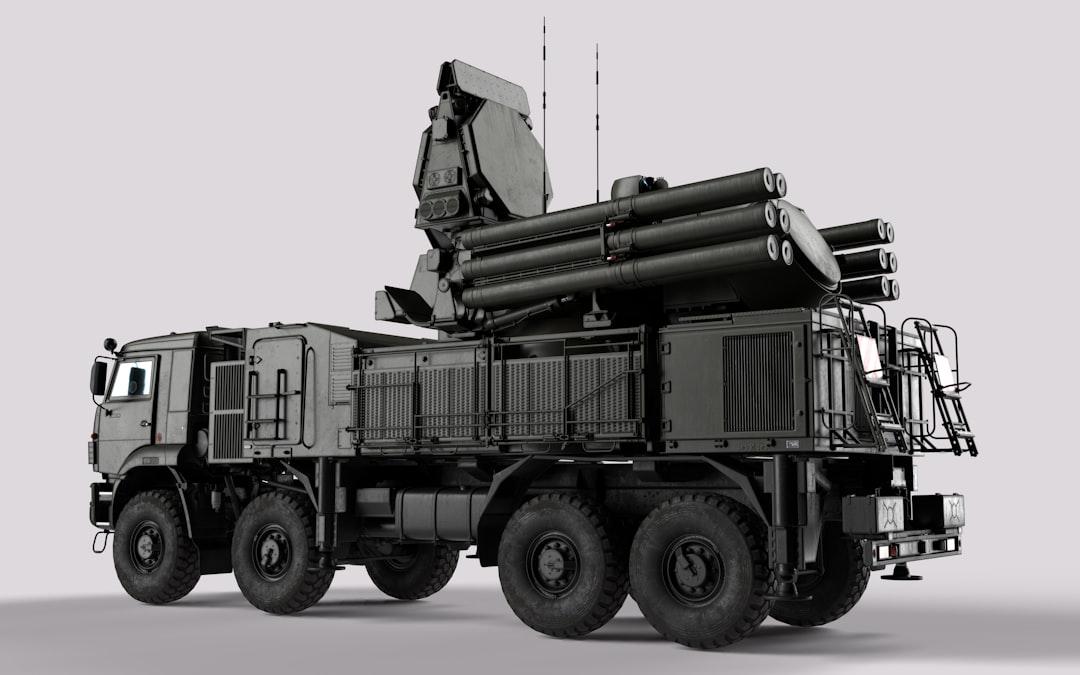
Three structural challenges will determine whether this directive translates into operational capability. First, talent: Vietnam’s AI engineering community is small but rapidly growing, and private sector salaries—particularly from multinational tech firms operating in Ho Chi Minh City and Hanoi—create significant competition for the talent that military AI programmes would need to recruit and retain. Brain drain to the commercial sector is a documented challenge in comparable emerging-economy military AI programmes.
Second, institutional integration: embedding civilian innovation cycles into military procurement and security frameworks requires structural reform that typically takes years, not months. Third, verification and security vetting of AI systems designed or partially developed by civilian contractors introduces risks that established military powers have spent decades learning to manage—and that Vietnam will need to navigate with limited precedent.
None of these challenges invalidate the strategic direction. But they underscore that the directive marks a beginning, not an achievement.
Summary
- Formal directive issued: Vietnam’s top Party and State leader has explicitly tasked the CMC and Ministry of National Defence with science-and-technology-based military modernisation.
- Intent vs. capability gap: No AI systems have been confirmed as operationally deployed; the directive reflects strategic direction, not demonstrated fielded capability.
- Dual-use policy framing: PM Le Minh Hung’s innovation-driven economic growth agenda now formally aligns with defence modernisation, creating a unified state technology strategy.
- Semiconductor vulnerability: The absence of domestic chip fabrication, combined with tightening US export controls and South China Sea supply chain risks, represents Vietnam’s most immediate structural barrier to military AI ambitions.
Want to go deeper?
Subscribe to Asia AI Front for concise analysis of AI shifts across Asia and Russia.
Sources & References
- Top leader asks for building modern army based on science, technology (VietnamPlus, 2025)
- PM calls for greater focus on developing high-impact strategic products (VietnamPlus, 2025)
- Military Expenditure Database (SIPRI, 2024)
- Commerce Department Implements New Export Controls on Advanced Chips (US Department of Defense, 2024)