SK hynix’s Wall Street whiplash spotlights Korea’s AI chip funding risk
A post-ADR selloff narrowed SK hynix’s premium and exposed Korea’s HBM linchpin to cross-border liquidity shocks—risking capex timing and the AI compute pipeline.
AsiaAIFrontNews2 min read
In This ArticleJump to a section
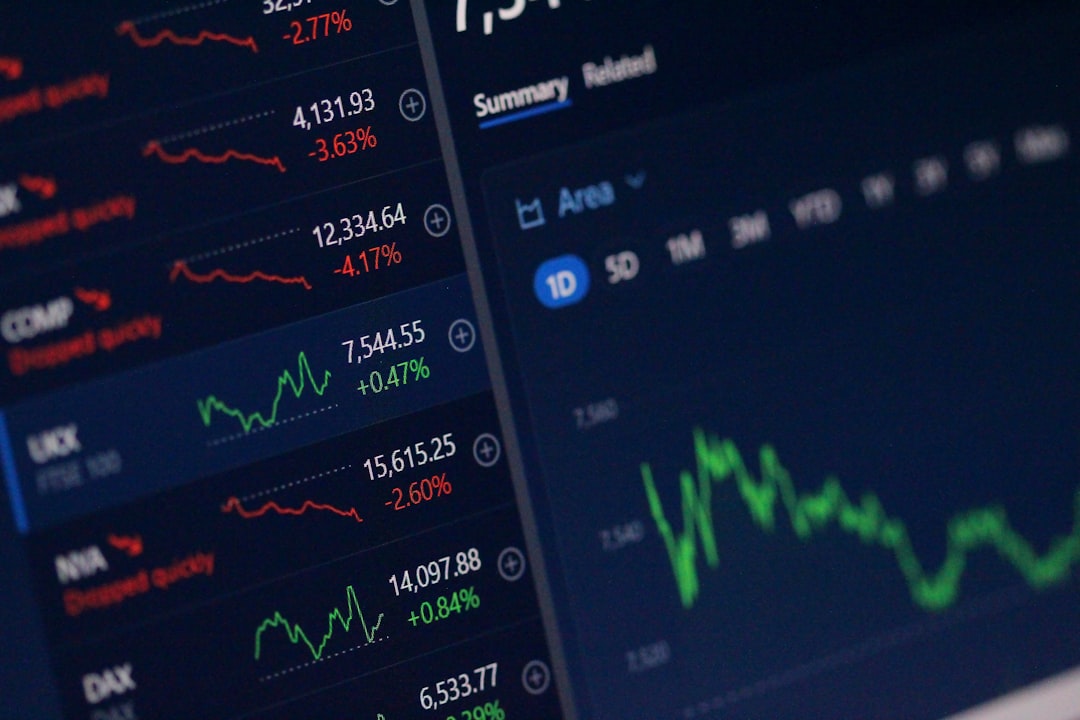
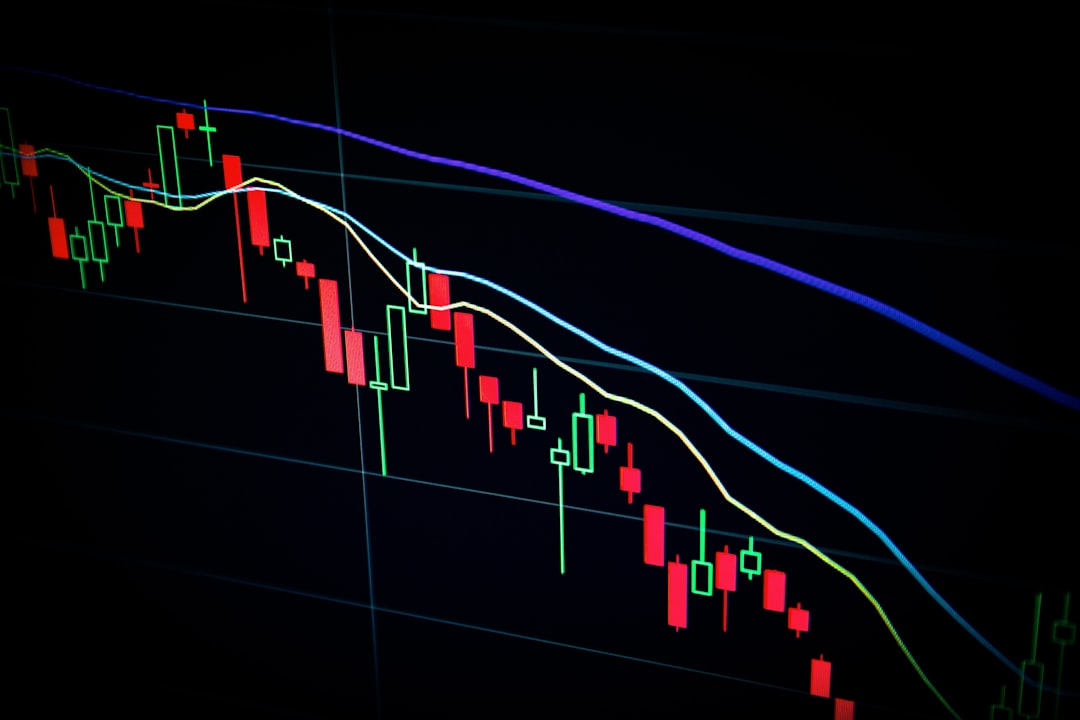
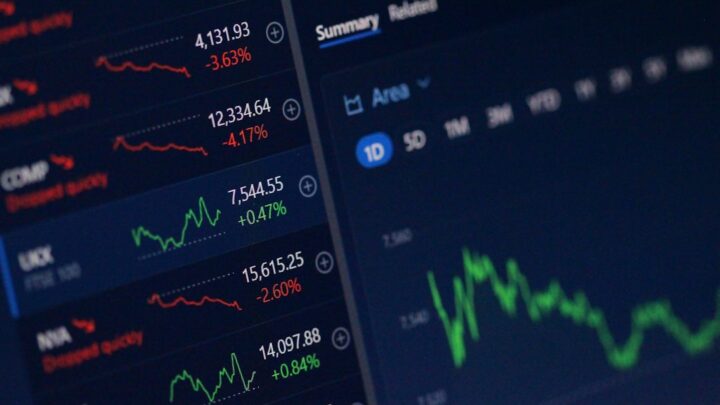
Korea’s key AI memory supplier just hit a New York–Seoul mood swing. SK hynix’s Seoul shares fell about 15% and its U.S.-traded ADRs roughly 9% in one session, narrowing a brief premium, domestic media reported. The gap matters: volatility can raise funding costs, slow HBM expansion, and ripple into GPU and AI model timelines worldwide.
Key Takeaways
SK hynix’s ADR premium narrowed as KRX shares slumped.
Funding jitters threaten HBM4 and packaging capex cadence.
Delays can tighten GPU supply and AI training schedules.
SK hynix leads high-bandwidth memory used with Nvidia’s H100/B100 and AMD’s MI300. HBM nodes (HBM3E now; HBM4/4E next) require TSV stacking and advanced packaging backed by multi-year, multi-billion-dollar capex. If equity volatility nudges up the cost of capital, TSV, underfill, and burn-in expansions can slip—constraining accelerators for hyperscalers and national compute programs.
Reading the ADR-KRX gap: liquidity, arbitrage, and policy
SK hynix’s ADR premium narrowed as Seoul shares sold off more than the U.S. line. Such gaps often reflect time zones, microstructure, arbitrage frictions, and FX swings in a won-sensitive exporter. Korea’s rules on short selling and settlement can amplify dislocations, shaping how fast the firm taps cross-border liquidity for HBM ramps without dilutive or poorly timed raises.
Want to go deeper?
Subscribe for weekly Korea compute risk briefs on HBM capacity, financing, and policy shifts.
Watch SK hynix H2 guidance on HBM capex and packaging adds, Nvidia/AMD orders, any Korea Exchange tweaks that ease ADR arbitrage, and KRW–USD moves that sway export margins and investment pacing.