Korea’s student AV hackathon hints at who will shape road AI rules next
Kookmin University’s sweep of an OEM-backed AV hackathon shows how Korea’s university–industry pipeline may prefigure road-testing rules. For global OEMs, it’s a readout on coming software safety metrics.
AsiaAIFrontNews2 min read
In This ArticleJump to a section
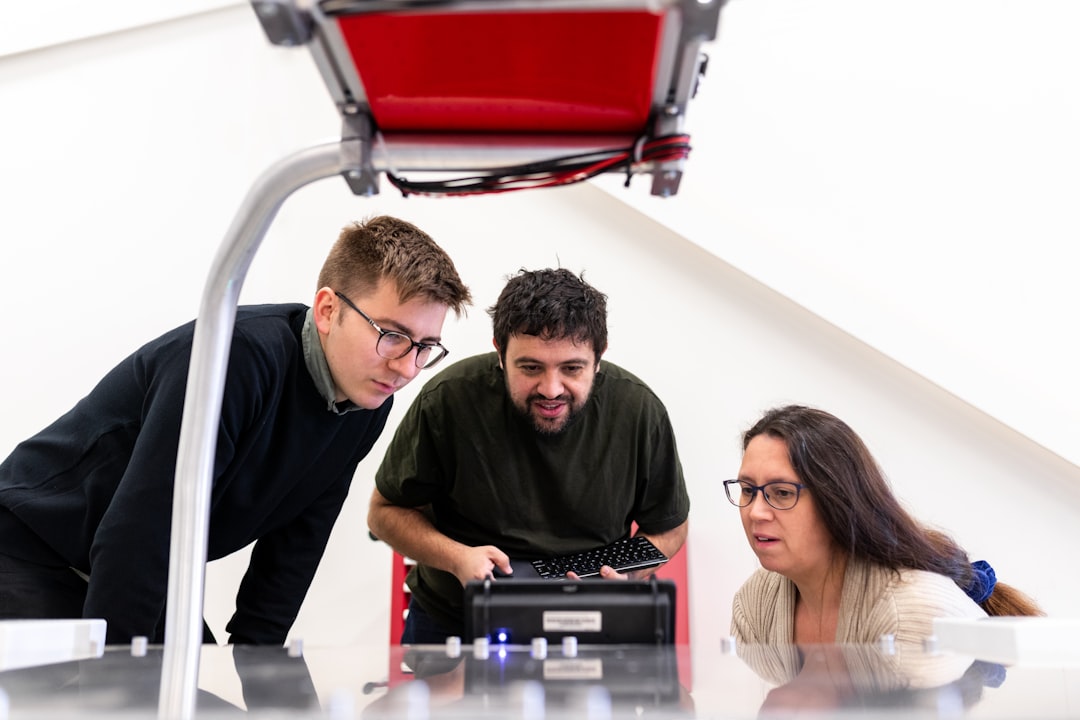
Korea’s autonomous driving rulebook is quietly shaped on campus. Kookmin University teams swept Seoul’s SEA:ME AV hackathon, co-run with Hanyang (ERICA) and backed by Volkswagen Group’s WE: Foundation. For OEMs and Tier‑1s, those lab metrics are likely to inform the safety checks tied to Korea’s road-testing permits.
Key Takeaways
Kookmin teams swept Korea’s SEA:ME AV hackathon.
Event co-run with Hanyang (ERICA), backed by VW’s WE: Foundation.
Expect Korea’s AV audits to mirror these software-first metrics.
SEA:ME is in its fourth year, tasking end‑to‑end perception, closed‑loop control, and fail‑safes under sensor loss. MOLIT links pilot permits to software assurance and data logging while metrics remain fluid as Level 3–4 expand. When contests train students on incident handover latency and lane‑keeping under GPS dropout, they create de facto benchmarks that vendors must evidence in Seoul.
Volkswagen Group’s WE: Foundation backed the event with Kookmin and Hanyang (ERICA). Kookmin labs place graduates into suppliers serving national pilots; mentors often sit on ministry groups and consortia. Foreign OEM philanthropy helps shape curricula and the skill graph regulators later treat as “standard,” influencing hazard analyses and safety cases in Korea.
What to Watch: Whether MOLIT cites hackathon scenario packs in permit updates, and if city sandboxes require standardized disengagement and HMI handover metrics in 2026 audits.
Want to go deeper?
Subscribe to Asia AI Front for AI signals from Asia and Russia before they reach the English-language mainstream.