Why Korea’s AI-defense memory push is reshaping export controls
Seoul is using a defense remembrance moment to knit AI procurement with export controls, elevating memory as a lever. That could change rules for Samsung, SK hynix, and foreign vendors targeting Korea’s defense AI stack.
AsiaAIFrontNews3 min read
In This ArticleJump to a section
Korea is quietly tying AI-defense procurement to export controls and memory policy. As remembrance events set a security tone, ministries are drafting rules where bandwidth, provenance, and on-prem design shape access. For global vendors, HBM and data-handling standards—not just GPUs—may decide Korea market entry.
Key Takeaways
Policy links AI buys with export and memory rules.
Veterans commemorations are reinforcing a security-first frame as Q3–Q4 windows open for defense-tech budgets. That mood is visible in draft AI standards: hardened data pipelines, model provenance attestations, and preference scoring for trusted vendors. The timing matters as MOEF and DAPA shape next-year submissions where ISR analytics and command aids compete for funds.
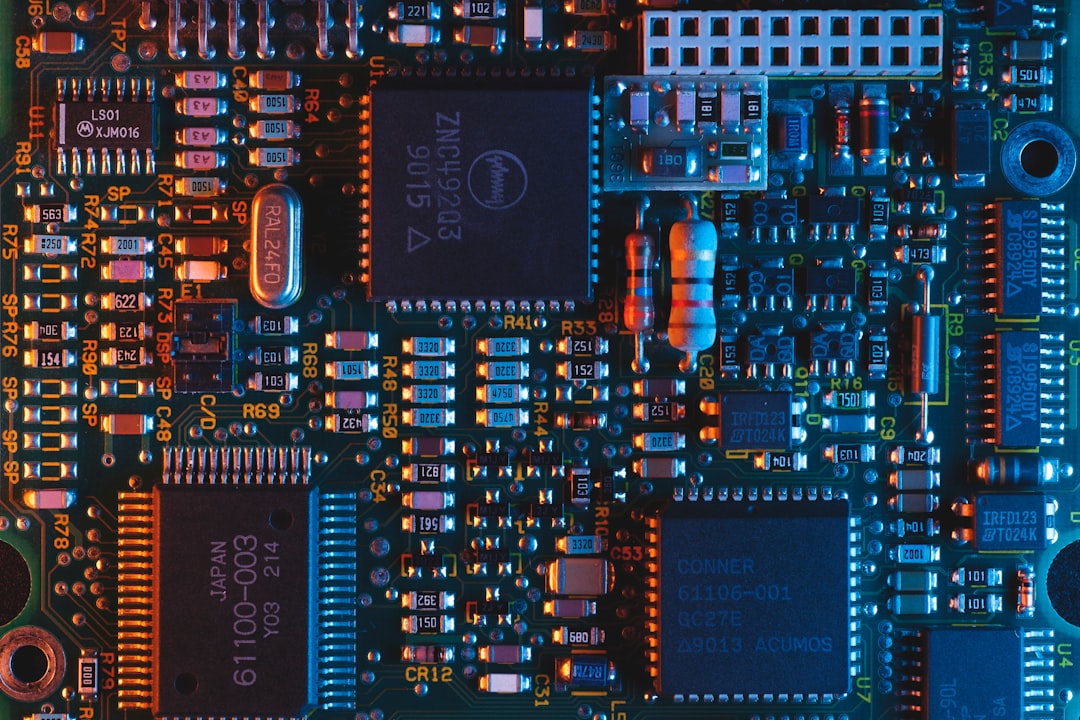
Since 2022, GPU throttling has defined AI controls, but Korea’s leverage sits in memory: SK hynix leads HBM while Samsung anchors DRAM scale. As models grow, bandwidth and capacity rival flops. Seoul is exploring allied alignment on dual-use thresholds touching HBM-accelerator co-packaging or specific HBM speeds. Conditioning HBM or advanced DRAM to China on end-use checks would shift compliance from accelerators to full system BOMs, boosting Korea’s bargaining power.
Four buyers shape demand: MND and DAPA for platforms, NIS for language/signals analytics, police cyber for SOC automation, and ADD for research. Builders include Samsung SDS, Hanwha Systems, LIG Nex1, and primes; KT Cloud and Naver Cloud host sensitive workloads; chips come from Samsung Electronics and SK hynix. Deployments center on ISR video, perimeter monitoring, maintenance/logistics prediction, multilingual intel triage, and wargaming—pushing on-prem accelerators with large HBM/DDR5 footprints.
Procurement drafts emphasize lineage attestations, SBOM-style AI stack disclosures, and auditable training data. Sensitive workloads increasingly require on-prem or sovereign zones on domestic clouds, private links to defense networks, and air-gapped inference. Certification tracks would privilege data residency, crypto modules, and insider-risk controls—tilting bids toward Korean clouds and integrators and raising burdens for foreign models needing external APIs or telemetry.
What to Watch: AI line-items in midterm defense plans; late-year DAPA ISR/command RFPs; any allied memoranda tacitly linking HBM to restricted accelerators; and guidance on whether domestic preference extends to packaging and secure-ops staffing.
Want to go deeper?
Subscribe to Asia AI Front for AI signals from Asia and Russia before they reach the English-language mainstream.