Why U.S. robot scrutiny is a near-term tailwind for Korea’s component suppliers
FCC limits on foreign advanced robots and inverters pressure Chinese vendors. Korean firms in motors, optics, sensors, and power modules could fill U.S. gaps—if they navigate capacity and compliance.
AsiaAIFrontNews2 min read
In This ArticleJump to a section
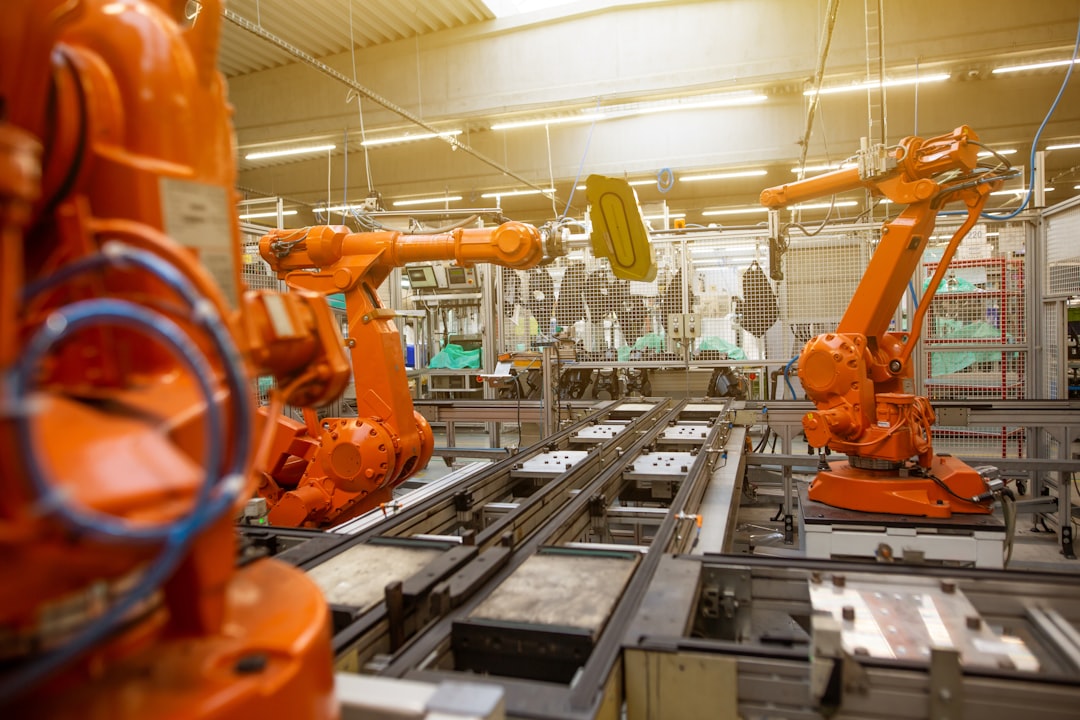
U.S. buyers of warehouse and factory robots face new import friction after the FCC quietly added advanced robots and power inverters to its covered list on July 28, 2026. Many foreign-made systems now require case-by-case reviews involving Defense and Homeland Security. The squeeze on Chinese vendors opens a near-term lane for Korean components to slot into U.S. robotics stacks before 2027 procurement locks.
Key Takeaways
FCC move tightens approvals for foreign robots and inverters.
Korean optics, sensors, MLCCs, and power modules can backfill.
U.S. robot supply chains, pricing power shift beyond China.
The covered list now includes advanced robotic devices and power inverters, steering non‑U.S. gear that emits RF or uses network modules away from routine authorization and into conditional review paths with DoD/DHS. Timelines stretch and documents multiply, adding schedule risk for U.S. OEMs and integrators using Chinese subassemblies. Not a ban—just higher friction—nudging buyers toward parts with clear provenance and audited firmware.
Why Korea is in the slipstream, not the crosshairs
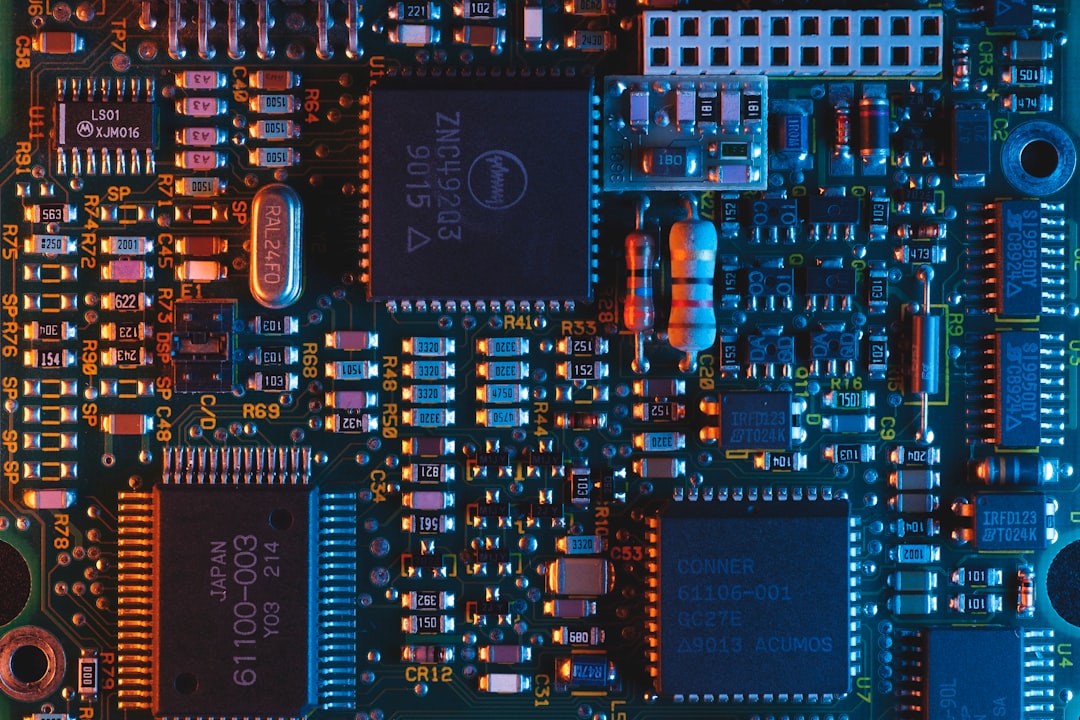
Korean firms already supply trusted optics, MLCCs, sensors, camera modules, substrates, and RF passives to U.S. electronics, lowering switching costs versus Chinese peers now under extra scrutiny. Analysts highlight LG Innotek (camera modules, optical filters, actuators) and Samsung Electro-Mechanics (MLCCs, substrates, RF). Motion-control and inverter module specialists can qualify as drop‑in replacements, aided by fast BOMs, firmware attestations, and secure traceability aligned to U.S. reviews.
What to Watch: RFQs in 2H26–1H27 may tilt to Korea, Taiwan, and Japan for motors, sensors, optics, and RF passives; design wins by LG Innotek in AMR cameras and Samsung Electro-Mechanics in power/RF will signal depth of the shift.
Want to go deeper?
Subscribe to Asia AI Front for AI signals from Asia and Russia before they reach the English-language mainstream.