Korea’s Supreme Court narrows free public land use—municipal AI zones next?
Korea’s top court ended assumptions of free municipal use of state land, forcing Seoul to pay for a rail-corridor park. Expect tighter terms for AI zones, data centers, and testbeds that rely on central assets.
AsiaAIFrontNews2 min read
In This ArticleJump to a section
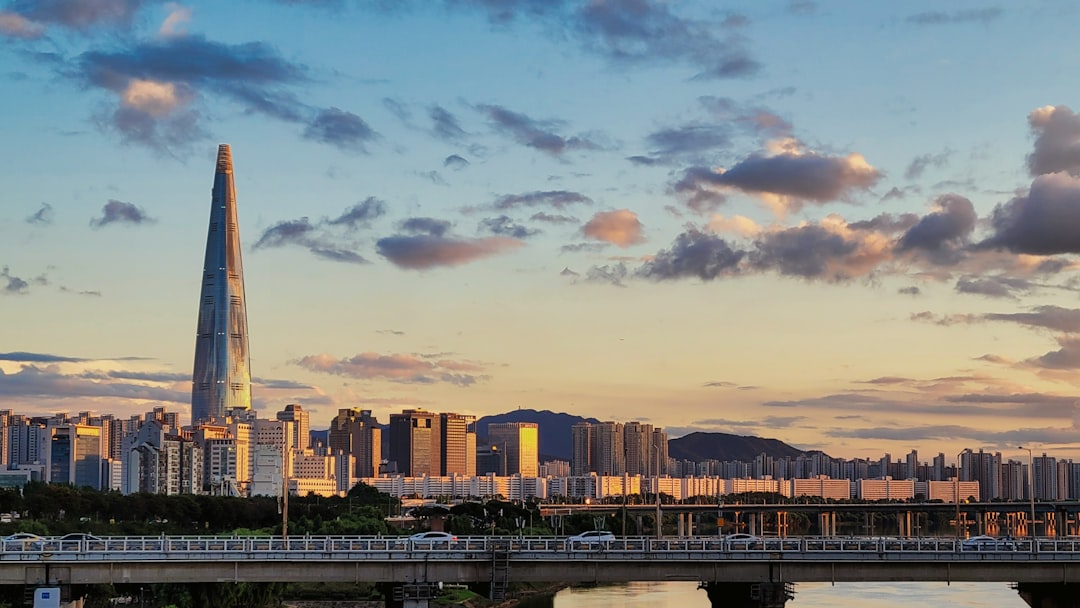
Korea’s Supreme Court upheld that Seoul must pay 42.1 billion won to Korea National Railway for using the 6.3 km Gyeongui Line corridor as a park. The ruling rejects implied free municipal use of national assets. As AI zones and urban sandboxes expand over rail, road, and power rights-of-way, cost and control shift to central asset holders.
Key Takeaways
Seoul owes KNR usage fees for Gyeongui Line Forest Park land.
Free municipal access to state assets is now a legal risk.
AI zones, data estates must model new land-access charges.
The Supreme Court affirmed lower-court findings that Seoul must pay usage fees to Korea National Railway (KNR) for the Gyeongui Line Forest Park, rejecting any implied right to free use from a 2010 conversion agreement. The case covers about 6.3 km of former rail right-of-way and fixes 42.1 billion won in liability, underscoring that national asset managers cannot waive rents without explicit authority, formal pricing, and documented consideration.
Why this matters for AI-era districts and data infrastructure
Korea’s planned AI zones, robotics corridors, and edge-compute pilots often rely on state-controlled corridors—rail verges, highway ducts, and power sites. The ruling signals tighter charging by asset holders, shifting CAPEX to land access and OPEX to recurring concession fees. Private partners should expect pass-through rents and audits tied to central tariffs, prompting earlier negotiations with KNR, Korea Expressway, or KEPCO instead of assuming city-led smoothing.
What to Watch: Templates from any Seoul–KNR renegotiation; MOUs for AI zones that explicitly price corridor access; and city budget revisions revealing retroactive liabilities. Clear tariffs could accelerate deals by reducing legal risk for foreign capital.
Want to go deeper?
Subscribe to Asia AI Front for AI signals from Asia and Russia before they reach the English-language mainstream.