Why Korea’s Nepal airlift is a test of AI-era statecraft
Seoul’s swift aid to Nepal is more than relief. It showcases how Korea uses disaster tech—data, comms, and logistics—to build influence and standards in South Asia.
AsiaAIFrontNews2 min read
In This ArticleJump to a section
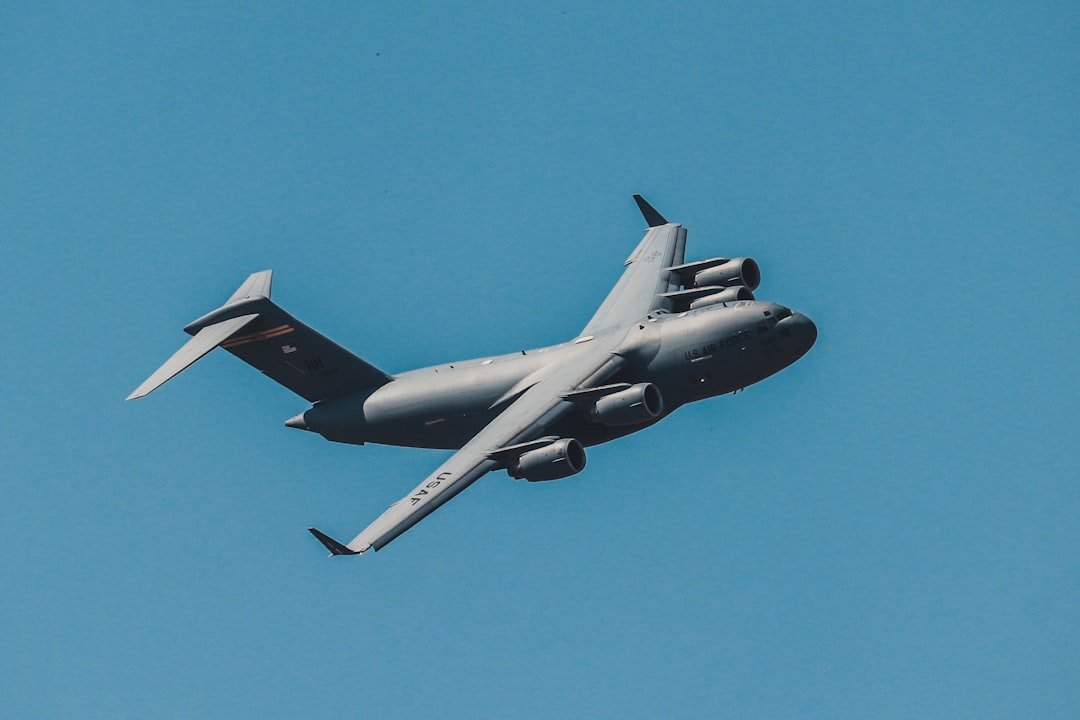
South Asia’s floods are a humanitarian emergency—and a quiet contest over crisis tech rules. Seoul moved fast: US$1 million via IFRC, plus an airlift of 36,000 emergency blankets and 2,320 heavy-duty units worth ₩130 million, and a Korea Disaster Relief Team (KDRT) deployment. Korea aims to turn logistics, interoperable data, and dual-use systems into AI-era diplomatic leverage.
Key Takeaways
Korea paired cash and in‑kind aid to Nepal with KDRT on the ground.
Relief hinges on shared data, comms links, and portable power.
Standards-setting soft power with market-access upside abroad.
Fact: Korea blended US$1 million via IFRC with quantified in‑kind shipments and activated KDRT. Context: KDRT has evolved from medical teams to a logistics‑and‑data asset that plugs into UN cluster mechanisms; Nepal’s floods, with thousands dead or missing, are a proving ground. Global implication: states that fuse speed with data interoperability convert relief credibility into diplomatic access across South and Central Asia.
What’s new vs. routine aid: data, logistics, and dual‑use tech
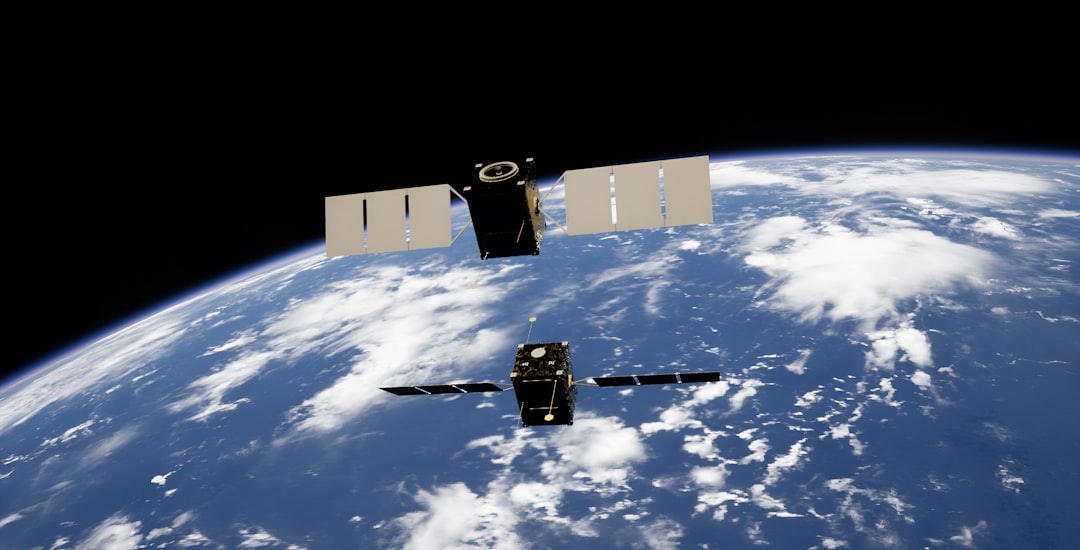
Fact: KDRT runs on shared geospatial layers, satellite links, and identity verification standards that mesh with IFRC and UN workflows. Context: Korean vendors—satcom, rugged networking, portable batteries, UAVs, sensors—are embedded in kits, turning field trials into procurement and seeding preference for Korean protocols and hardware. Global implication: disaster corridors become living labs where schemas, device APIs, and security practices harden into de facto standards.
What to Watch: Consent and lawful cross‑border transfer of sensor and identity data, plus interoperability with Nepal’s systems; also watch for MOUs, emergency comms interconnects, and pre‑positioned stockpiles or compute caches that lock in Korean stacks.
Want to go deeper?
Subscribe to Asia AI Front for AI signals from Asia and Russia before they reach the English-language mainstream.