Why Hyundai’s robot-era pay overhaul could reset factory labor math
Hyundai and its union are weighing a fixed “complete monthly wage” as humanoid robots roll onto lines. The pilot could become a global template for stabilizing incomes while automating, resetting labor costs, incentives, and bargaining.
AsiaAIFrontNews2 min read
In This ArticleJump to a section
Hyundai’s next automation wave starts with pay, not robots. Management and union are weighing a “complete monthly wage system” that folds portions of overtime and allowances into fixed salaries as humanoid robots reach Korean and overseas lines. If validated, it could give manufacturers a playbook to steady labor costs and relations during AI-led automation.
Key Takeaways
Shift: fix parts of overtime/allowances in monthly pay.
Joint task force to test income, uptime, and quality effects.
Template for AI-era comp across sectors if pilots succeed.
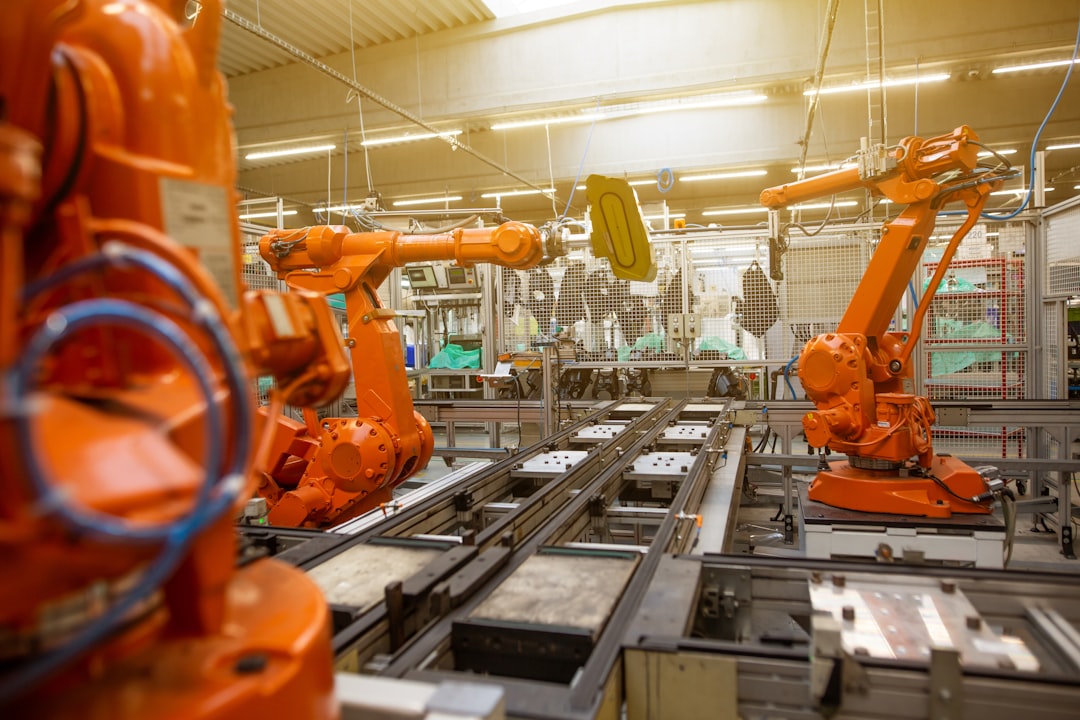
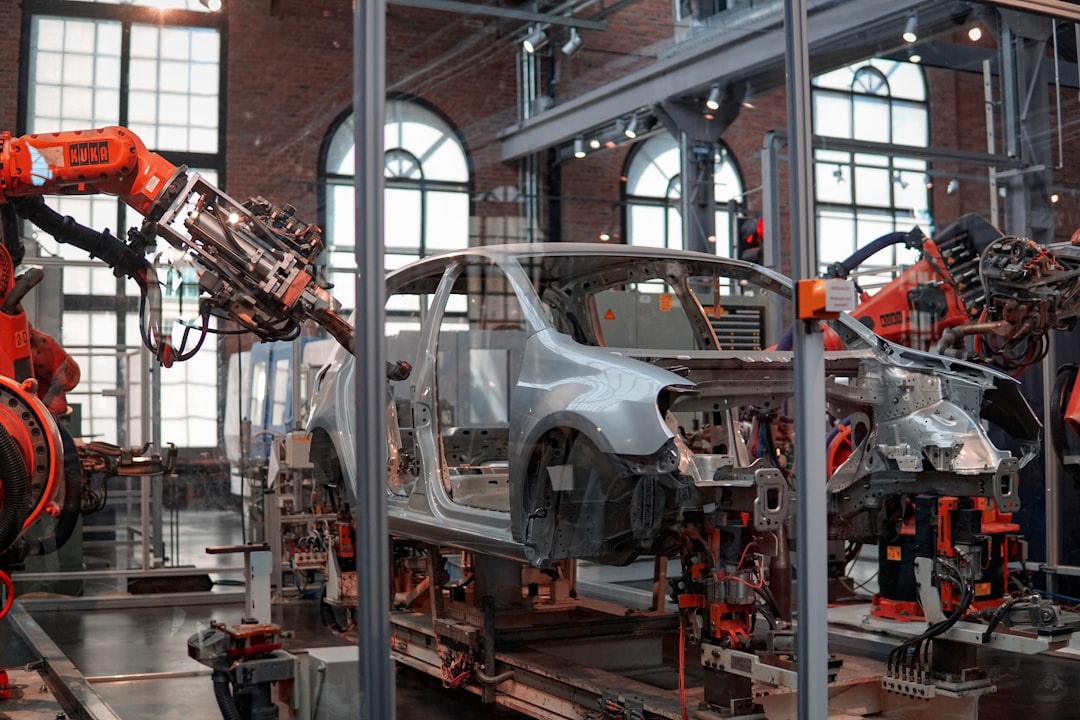
Hyundai proposes converting parts of overtime and night-shift allowances into fixed monthly pay to reduce income swings from line stoppages, takt changes, or model mix. The move tracks the rollout of humanoid robots across final assembly and logistics, where smoother throughput can curb overtime spikes. With core pay salaried since 2012, this targets the remaining variable tail while aligning compensation with robot-driven stability.
More fixed pay reduces overtime premiums that can invite end-of-shift padding and nudges managers toward takt discipline over extra shifts. Union aims: income stability, job-security clauses as robots expand, and funded retraining into maintenance, quality, or cell supervision. A company–union task force will review impacts on productivity, defect rates, and pay dispersion before any full adoption, shaping contract language that ties add-ons to uptime and quality rather than hours.
Timeline and scope of pilots; metrics like overtime hours, takt stability, defect rates, and redeployments. Signals to track: tiered pay bands or gainsharing layered on top, which would indicate a durable model linking robot-enabled productivity to worker income.
Want to go deeper?
Subscribe to Asia AI Front for AI signals from Asia and Russia before they reach the English-language mainstream.