Vietnam’s UAV scare collides with its low‑altitude economy push
A one-hour flight restriction at Tan Son Nhat after a UAV sighting is set to accelerate Vietnam’s counter‑UAS rules, geofencing, remote ID, and national standards.
AsiaAIFrontNews2 min read
In This ArticleJump to a section
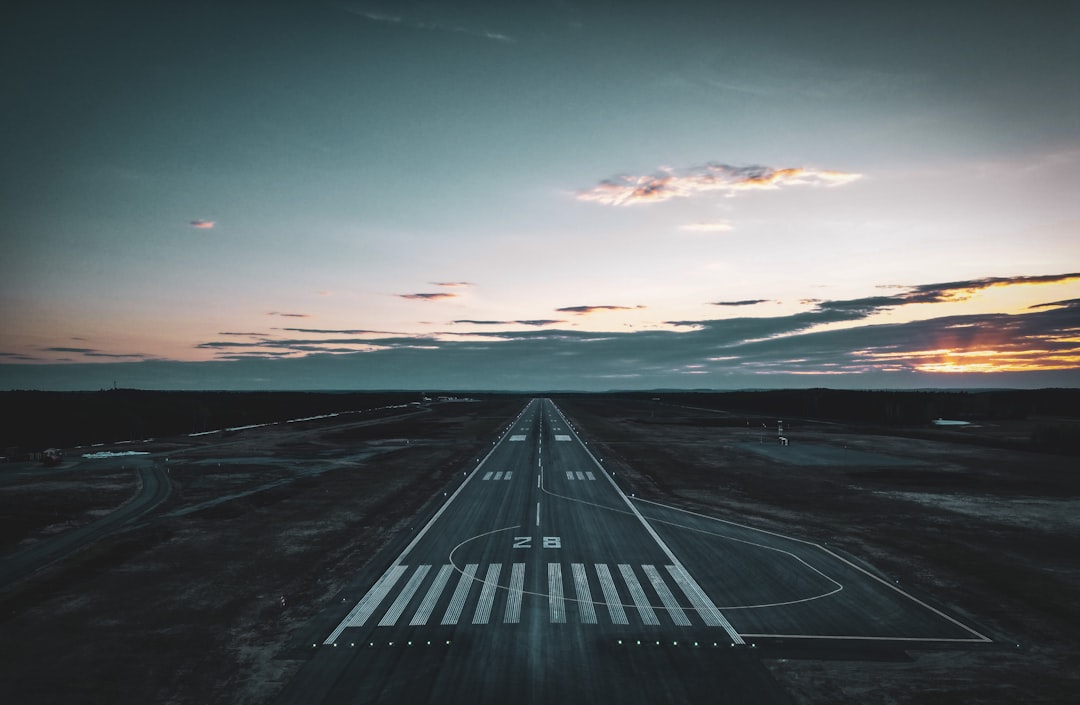
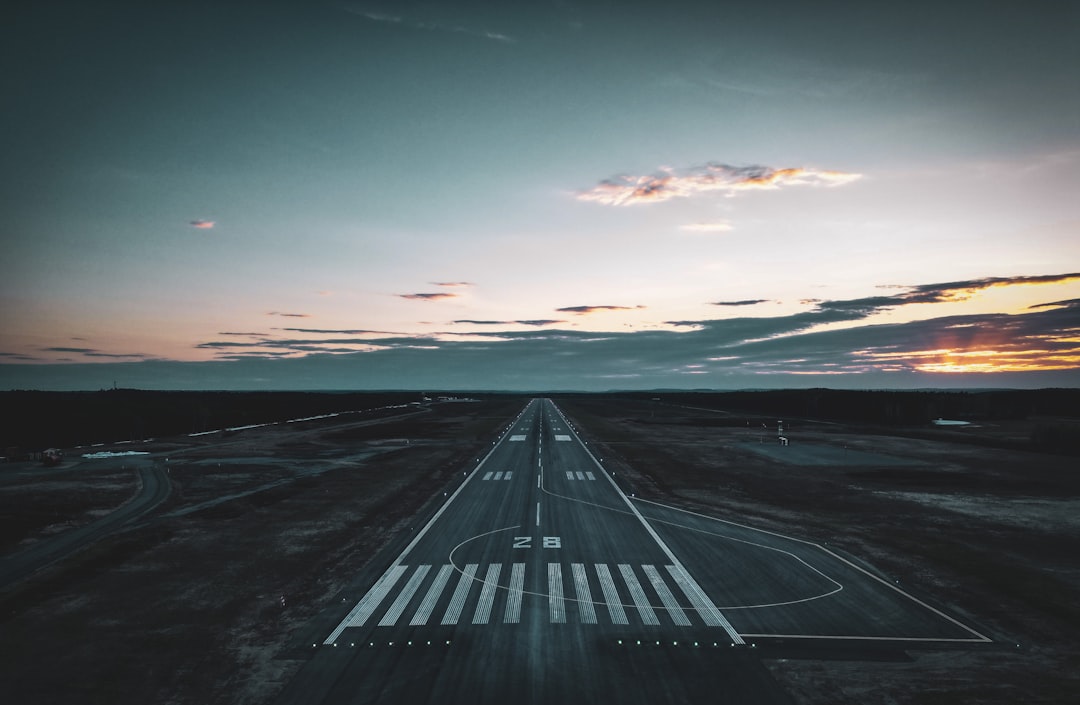
Vietnam wants a low‑altitude economy, but a reported UAV near an air route forced Tan Son Nhat Airport to halt takeoffs and landings for about an hour. The pause caused delays as controllers verified safety and cleared traffic. Expect tightened airspace rules affecting drones, telecom spectrum, and counter‑UAS—key for foreign OEMs and investors.
Key Takeaways
One‑hour restriction at Tan Son Nhat after UAV report.
Vietnam’s Civil Aviation Authority briefly restricted movements at Ho Chi Minh City’s Tan Son Nhat—its busiest hub—after a UAV was reported near an air corridor. The one‑hour hold exposed how fragile mixed‑use airspace is when slots are tight. The response—halt, verify, restore—signals safety will dominate experimental UAV use and likely prompt faster, automated counter‑UAS protocols at major aerodromes.
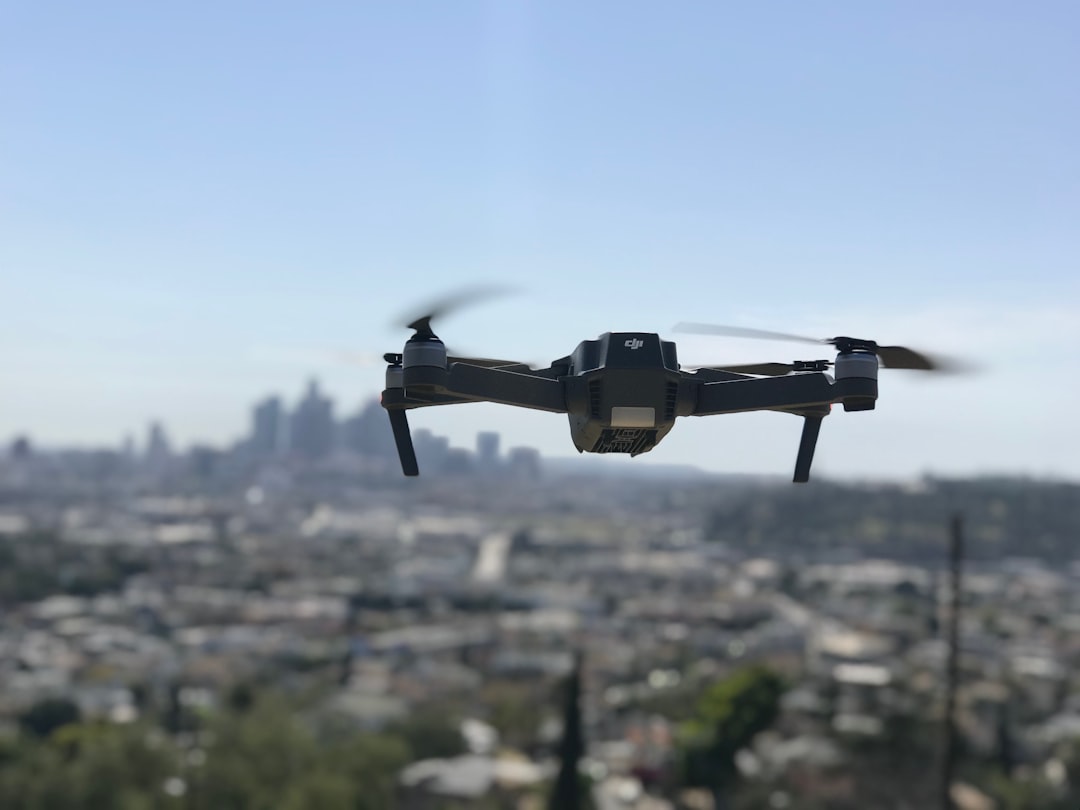
Hanoi backs a “low‑altitude economy” with pilots in Ho Chi Minh City and a Dien Bien sandbox, authorizing vetted operators, corridors, and altitude caps with prior notification. Yet drones operate within military‑controlled national airspace, with civil rules layered on top—leaving Defense as gatekeeper and Transport/CAAV managing airport procedures. The Tan Son Nhat scare highlights friction as urban UAV demand grows and oversight tightens.
What to Watch: Expect airport and critical‑site C‑UAS deployments; tougher geofencing and remote ID baked into OEM firmware; telecom spectrum set‑asides for remote ID and C2; sandboxes maturing into standards (VLOS/BVLOS, altitude ceilings, licensing) within 12–24 months.
Want to go deeper?
Subscribe to Asia AI Front for AI signals from Asia and Russia before they reach the English-language mainstream.