Why Korea’s heritage fee debate is a test case for pricing cultural data
Korea’s planned hike in palace and royal tomb fees doubles as a signal: cultural agencies are revaluing physical and digital heritage together, foreshadowing AI-era data licensing.
AsiaAIFrontNews2 min read
In This ArticleJump to a section
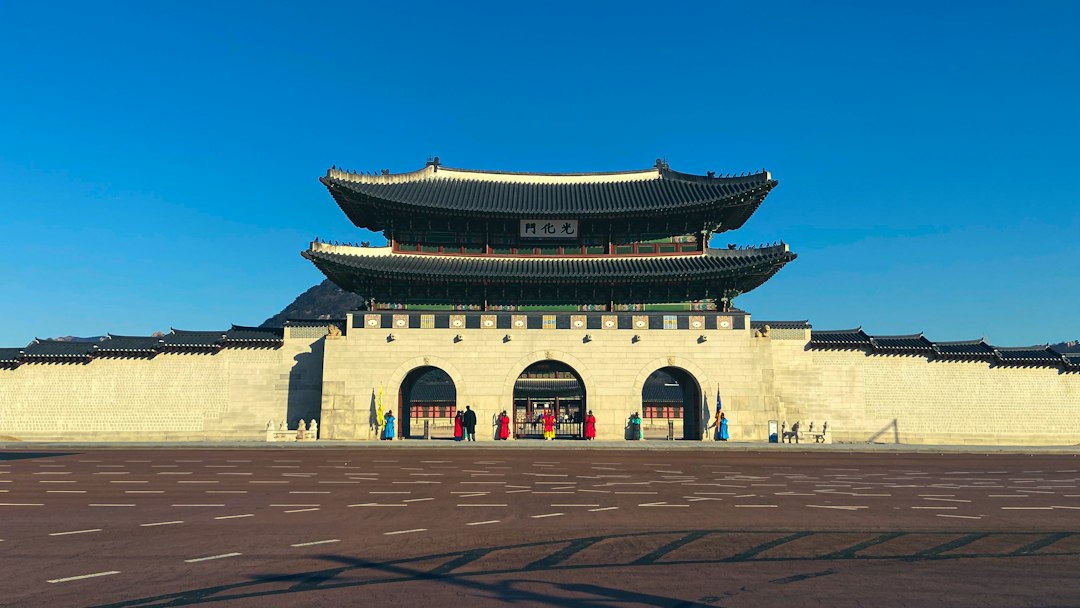
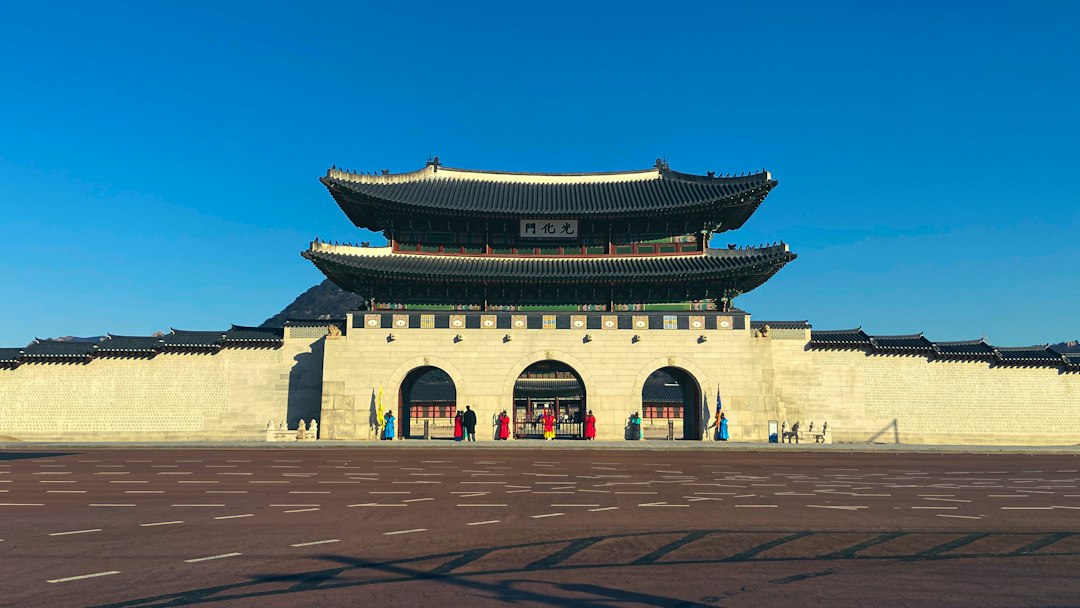
Korea may raise admission fees for palaces and Joseon-era royal tombs for the first time in 20 years after a policy forum benchmarked prices globally. As the state rapidly builds 3D scans and digital twins of these sites, gate pricing could guide future licensing for cultural datasets. That makes a local ticket tweak a test case for how AI firms might pay for Korean heritage at scale.
Key Takeaways
First palace and royal tomb fee hike in two decades is under review.
Global benchmarks frame prices and post-pandemic demand shifts.
Signals how states may price cultural datasets for AI training.
Officials are weighing higher adult admission at flagship palaces, saying 3,000 won is out of step internationally. A Korea Heritage Service forum compared Korea’s rates with global sites and consumer yardsticks as the agency accelerates 3D scans, AR/VR tours, and high-fidelity archives. If gate revenue informs asset value, expect tighter, priced licensing for digital twins and image/audio datasets sought by foreign platforms and AI labs.
Inside the policy: who is pushing and the benchmarks
Forum speakers cited long-frozen prices and peers like Versailles and Japan’s Nijo Castle, echoing a “Big Mac-style” affordability check and shifting post-pandemic demand. Such benchmarking enables revisions to tickets, filming and commercial shoot fees, and structured data access. It also primes machine-readable, tiered licenses that clarify what premium AI developers owe for culturally sensitive content, reducing cross-border friction.
What to Watch: Whether fee changes land alongside updated data licenses, APIs for cultural datasets, and export rules on commercial AI training; plus budget lines for digitization and PPPs bundling restoration with dataset monetization.
Want to go deeper?
Subscribe to Asia AI Front for AI signals from Asia and Russia before they reach the English-language mainstream.