LG Chem’s AI-era bet: materials for chips and EVs reset Korea Inc
LG Chem is retooling for AI and electrification, expanding semiconductor packaging and advanced cathodes. The move offers a read on where value will accrue as compute and EV cycles converge.
AsiaAIFrontNews2 min read
In This ArticleJump to a section
Korea’s chemicals giants are recasting themselves as AI and electrification make materials strategic. LG Chem says its four growth engines—battery and electronic materials, innovative pharma, and sustainability—made ₩5.8T in 2024 (22% of revenue) and it aims to more than triple that by 2030. Expect sharper global competition for substrates, encapsulants, TIMs, and next‑gen cathodes.
Key Takeaways
LG Chem pivots from bulk petrochemicals to AI/EV specialty materials.
Targets: chip packaging and cathodes incl. mid‑Ni, LMR, and LFP.
Move tightens global contests in packaging reliability and battery costs.
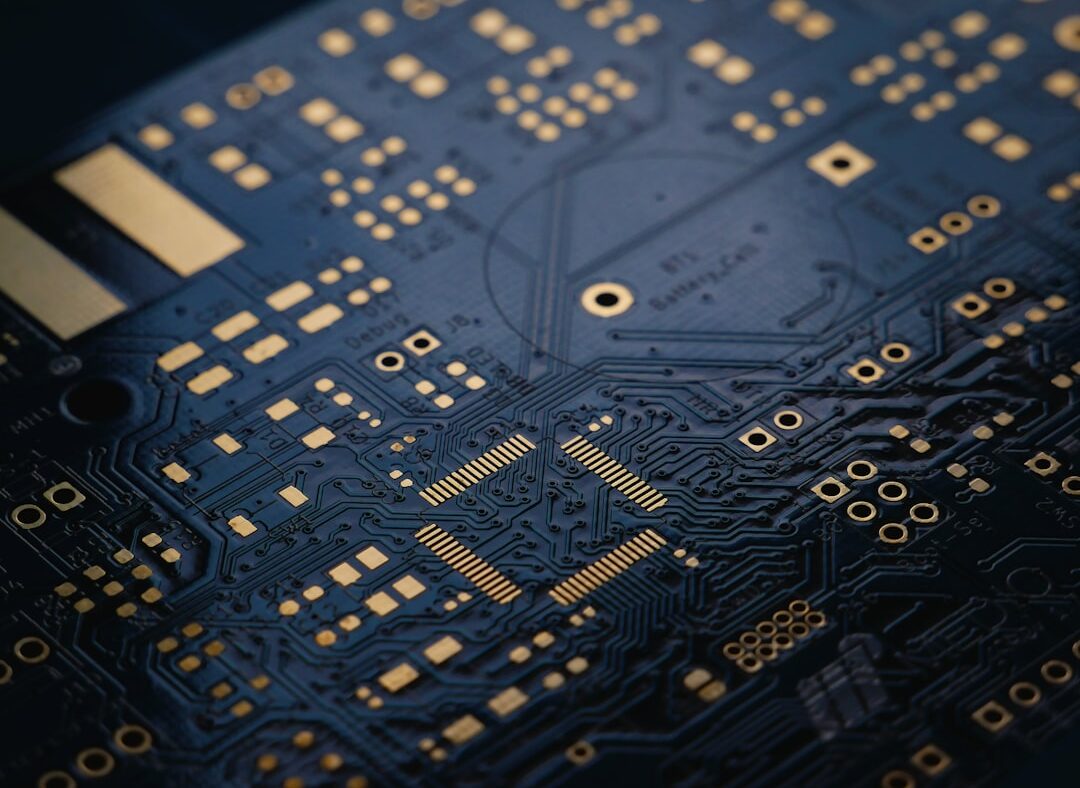
AI buildouts need more than silicon: substrates, encapsulants, underfills and TIMs now gate yield and thermals, making packaging a boardroom issue. As hyperscalers race to deploy GPUs, persistent packaging pain points sustain premium materials demand. A Korean supplier moving into high‑spec packaging tightens rivalry with Japan/Taiwan and offers a scale option for non‑Chinese buyers amid U.S.–China controls.
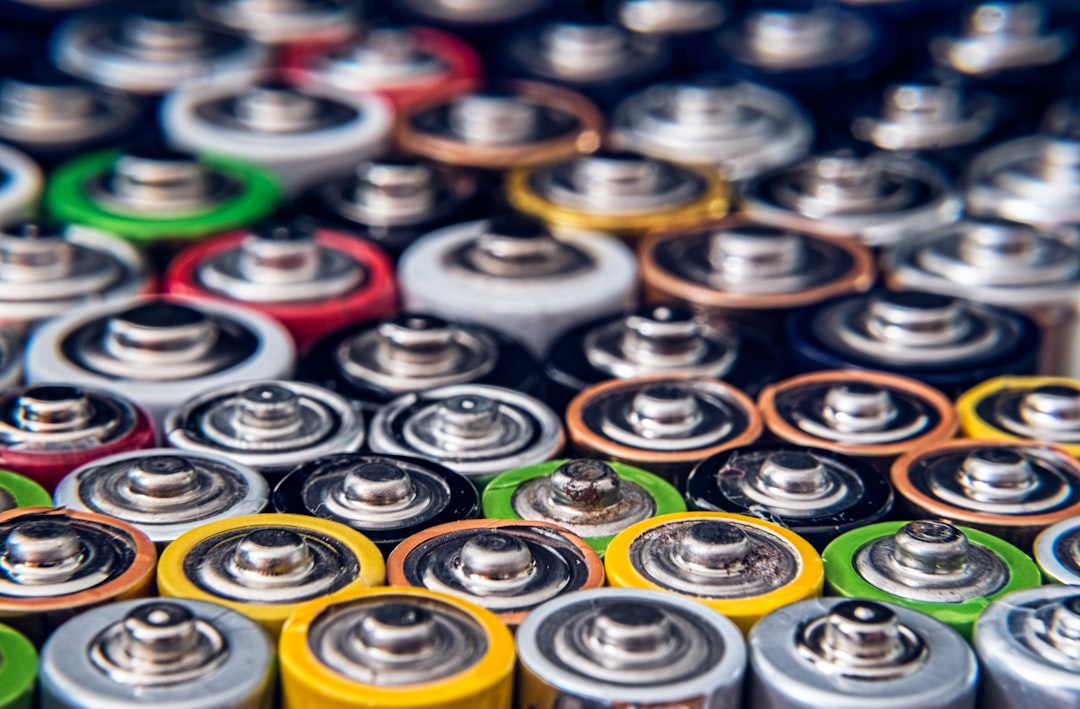
LG Chem is expanding lines for encapsulants, underfills, epoxy mold compounds, TIMs and advanced substrates; in batteries it is pushing high‑voltage mid‑nickel and LMR cathodes, re‑entering LFP, and preparing sodium‑ion precursors. These bets track value in chiplet/2.5D–3D packaging reliability and cathodes balancing cost, safety and energy density. Success could let buyers dual‑source at scale from Korea, pressuring prices and speeding qualifications.
Watch: >3× growth goal by 2030 from a ₩5.8T 2024 base; design wins in HBM/2.5D–3D GPU modules, EV awards for LMR/LFP, and credible sodium‑ion timelines would validate Korea’s materials shift.
Want to go deeper?
Subscribe to Asia AI Front for AI signals from Asia and Russia before they reach the English-language mainstream.