U.S. drone tariffs put Korea’s AI‑robotics supply chain on notice
Section 232 drone tariffs sweep Korean drones and AI‑adjacent payloads into a national‑security frame, pressuring Seoul’s industry and reshaping U.S. buyer sourcing.
AsiaAIFrontNews2 min read
In This ArticleJump to a section
Korea’s fast‑globalizing drone and sensor cluster just hit a U.S. wall. Washington invoked Section 232 to levy 15% tariffs on Korean drones and many parts, while reserving 100% rates for the most sensitive large and thermal‑imaging systems. By recasting AI‑adjacent payloads as security risks, the move could reset Korean export plans, U.S. procurement, and dual‑use robotics supply chains.
Key Takeaways
U.S. Section 232 sets a 15% tariff on Korean drones and key parts.
Large and thermal‑imaging platforms can be hit with 100% rates.
Global buyers must tighten origin tracing for Korean AI‑robotics.
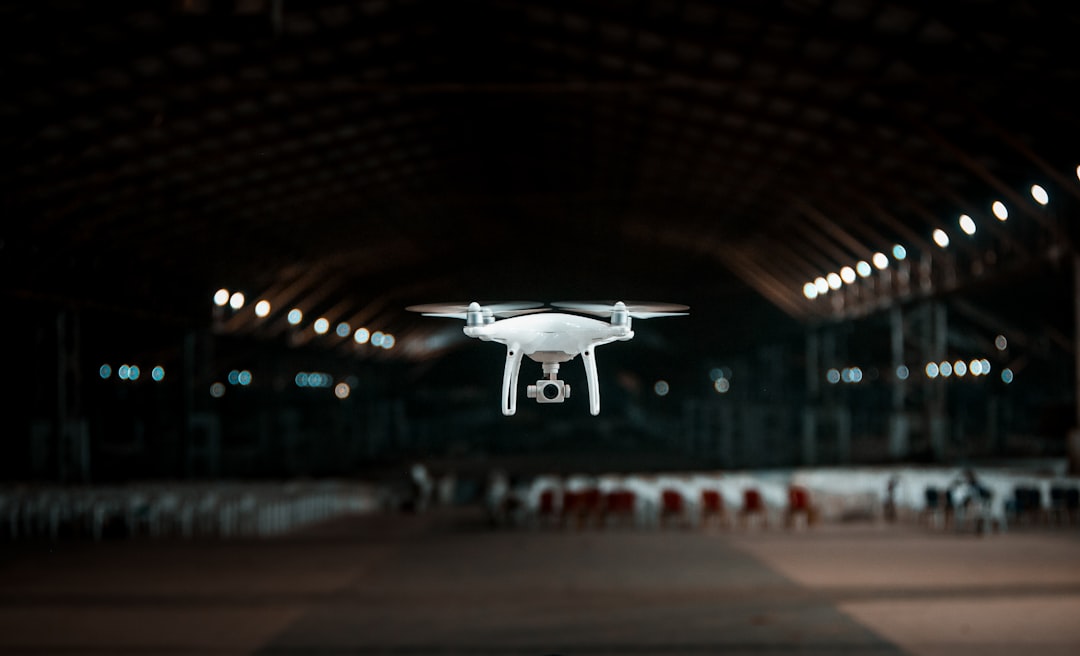
The White House used Section 232 to impose tiered tariffs: 100% on certain large or thermal‑imaging drones, 25% on some small systems, and 15% on drones and key parts from Korea, Japan, the EU, and Taiwan; the UK faces 10%. Most rates start Sept. 3, 2026, with a Feb. 9, 2027 phase‑in for less‑sensitive parts. Because 232 treats imports as security risks, compliance costs rise and U.S. access for dual‑use Korean payloads is politicized.
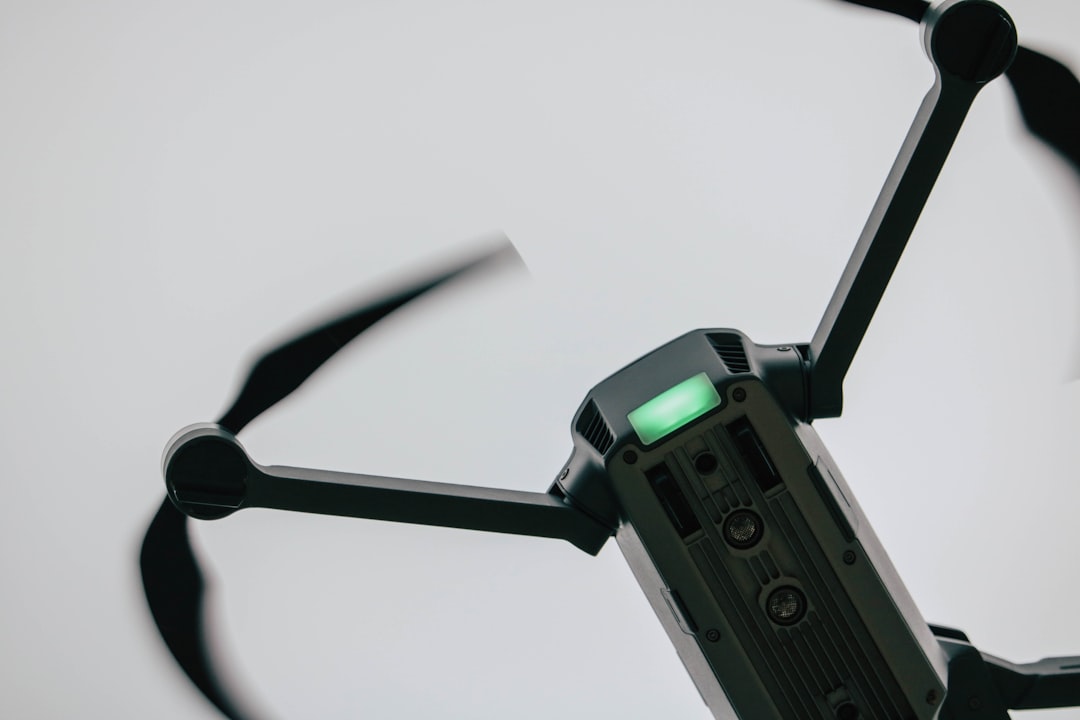
Exposure extends beyond airframes to EO/IR cameras, thermal modules, radio links, flight controllers, and gimbals exported by Korean mid‑caps and SMEs. Industrial and public‑safety drones assembled in Korea—or sub‑assemblies shipped to Japan/EU OEMs and finished abroad—may face U.S. tariffs if classified under covered HTS codes. Tier‑2/3 suppliers selling boards, sensors, and batteries into foreign OEMs risk indirect U.S. exposure via rules of origin.
What to Watch: Forthcoming U.S. Commerce and CBP guidance on which HTS lines capture EO/IR cores and flight controllers, and whether Korean firms spin up U.S. assembly to re‑qualify sensitive payloads before 2027.
Want to go deeper?
Subscribe to Asia AI Front for AI signals from Asia and Russia before they reach the English-language mainstream.