Vietnam’s farm-traceability AI tests EU compliance—and state data power
Vietnam’s new, ministry-run AI traceability rail aims to keep farm exports in the EU under EUDR—and centralizes data power over millions of smallholders.
AsiaAIFrontNews2 min read
In This ArticleJump to a section
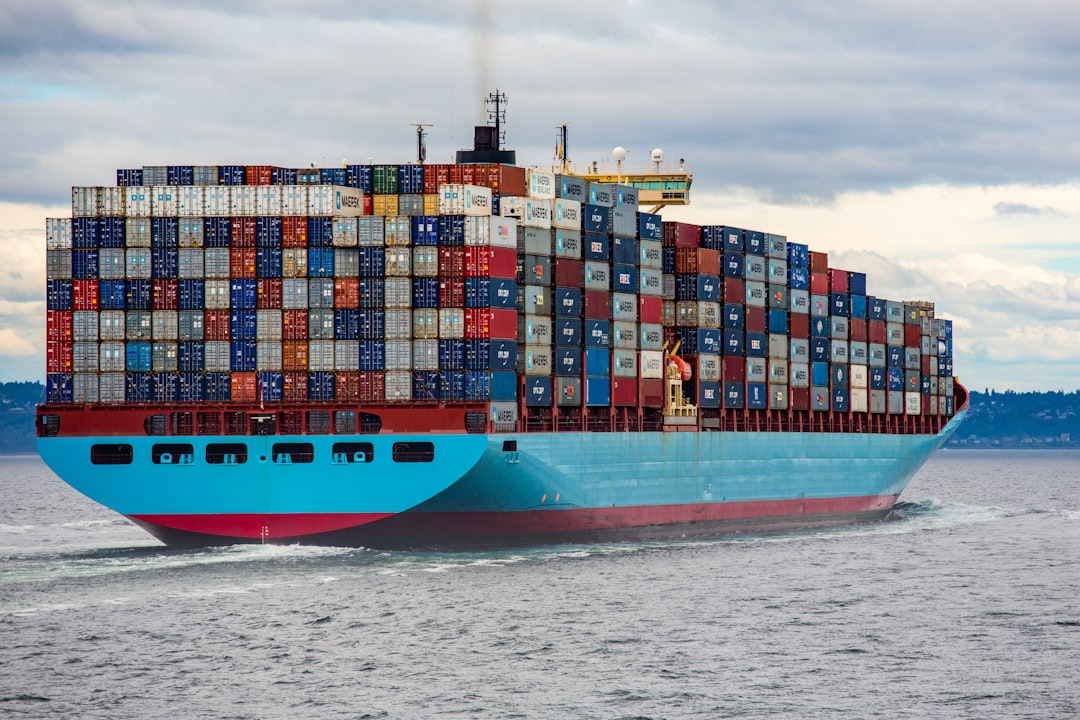
Vietnam’s smallholder-heavy exports depend on proof of clean supply. From July 1, 2026, the agriculture ministry will run an AI platform to ingest, standardize, and share farm-to-port traceability, starting with EU-facing rubber and coffee. It is a state-backed compliance rail for Europe’s deforestation rules that could reset supplier risk and influence other exporters.
Key Takeaways
Ministry-run AI traceability rolls out nationwide in 2026.
Early focus: EU-exposed rubber and coffee; AI flags anomalies.
Buyers gain assurance but rely on state-held datasets.
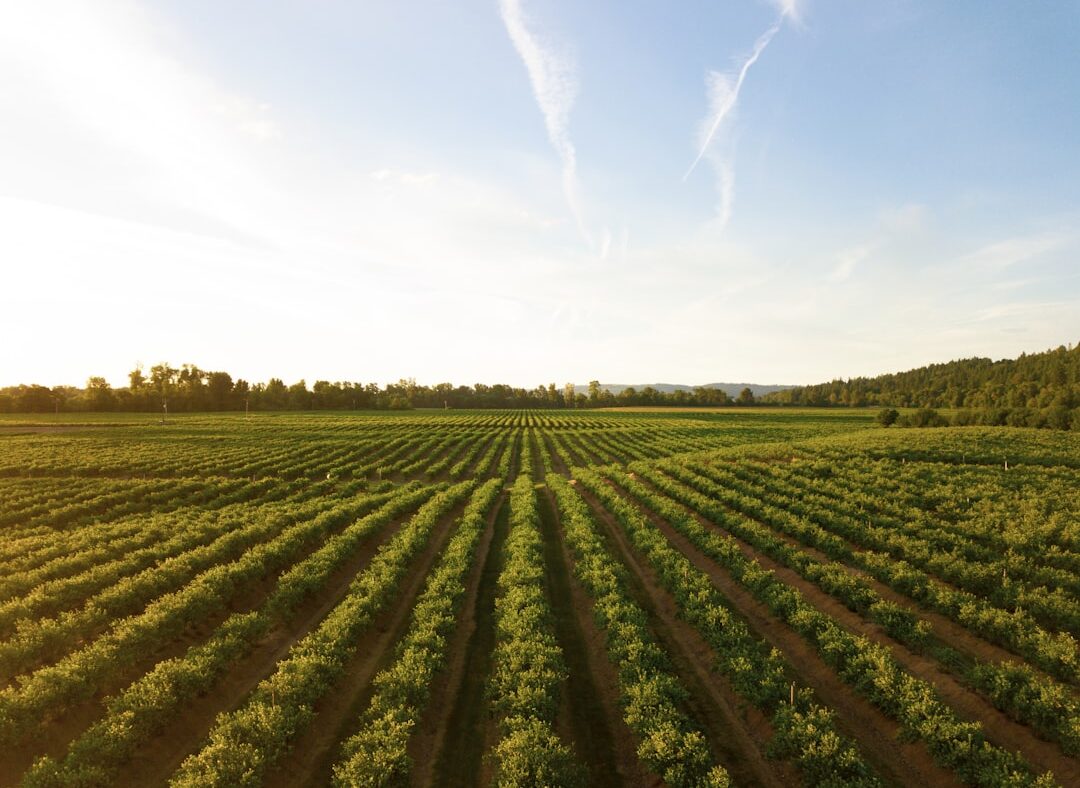
Vietnam’s agriculture ministry is building a national traceability backbone covering farm IDs, plot geolocation, inputs, and chain-of-custody events in a single state-run platform. Machine learning normalizes records from cooperatives, processors, and logistics firms, detects custody gaps or suspicious jumps, scores risk, and issues export-ready certificates. Pilots span rubber, coffee, and wood goods aligned to EU Deforestation Regulation (EUDR) demands. Provinces are onboarding smallholder maps and facility registries in phases so exporters can share attestations with importers.
EUDR requires plot-level, deforestation-free proof—hard for dispersed smallholders. Vietnam’s centralized ledger concentrates validation and audit trails, cutting due-diligence friction and giving Brussels a single counterpart. That model could spread from Southeast Asia to West Africa. But state control reshapes leverage: data access, corrections, and disputes route through a ministry, tying global buyers to national policies, service levels, and politics even as compliance costs may fall.
What to Watch: Decrees on mandatory participation, penalties, and audits; API terms for foreign buyers; and live links to EU and private systems. The hinge is whether Europe accepts certificates at scale or demands parallel verification.
Want to go deeper?
Subscribe to Asia AI Front for AI signals from Asia and Russia before they reach the English-language mainstream.